
Last updated: 4 October 2026
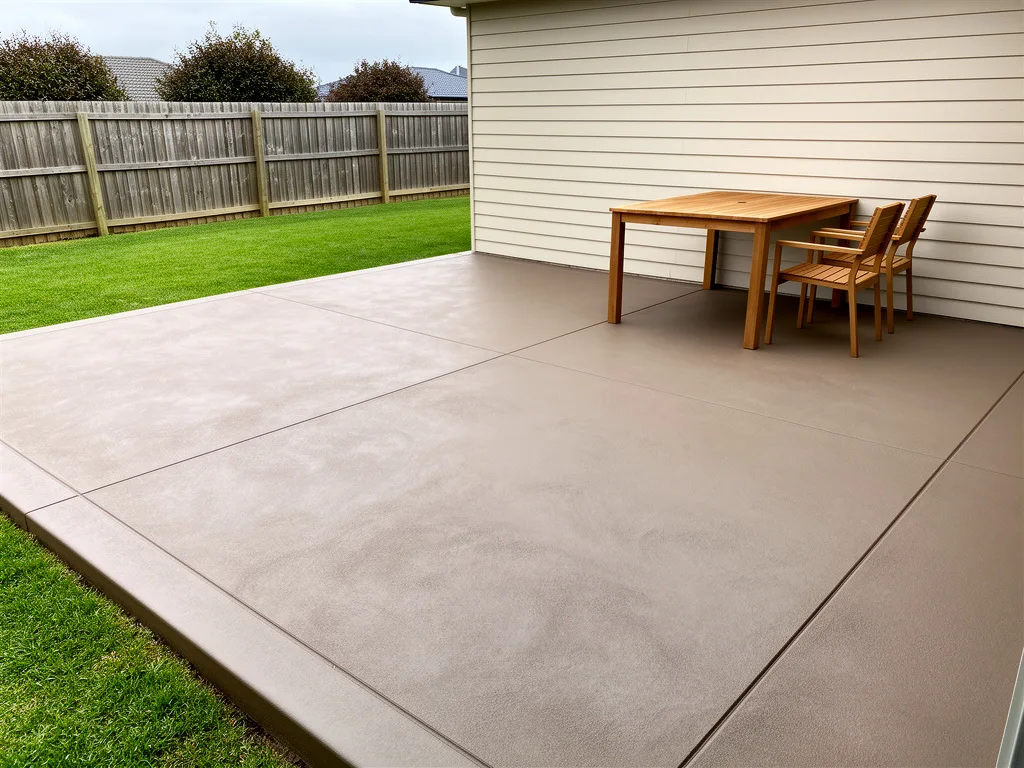
Decograde Concrete Resurfacing is a concrete resurfacing business based in Panania, NSW, working across Canterbury-Bankstown. Resurfacing lays a new bonded surface over a slab that is still sound. The slab stays and only its worn face changes. Call (02) 9090 4131 and describe what you have.
What’s Included
- A look at the slab: soundness, cracks, falls and drainage.
- Cleaning to remove oil, grease and old sealer that would stop a bond.
- Grinding or acid etching to open the surface.
- Repair of cracks and chipped edges before any coating goes on.
- The resurfacing layer, applied in the finish you choose.
- Sealing, with cure and seal times set by the manufacturer’s specification.
- A written estimate before any of it starts.
Is a worn slab worth resurfacing, or does it need replacing?
Usually it is worth resurfacing, provided the slab is solid. A slab that has flaked, stained or worn smooth can take a new layer for less than the cost of breaking it out and pouring again. A slab that has dropped, heaved or keeps cracking needs its cause fixed first, and sometimes it does need replacing.
We will tell you which side of that line your concrete sits on before you spend anything.
Questions about your specific surface or budget? Call (02) 9090 4131 — no obligation.
Resurfacing or replacing: how the two compare
Every resurfacing job starts the same way but does not end the same way. Three real approaches, compared on the factors that decide whether the result lasts.
| DIY | Unlicensed operator | Licensed & vetted contractor | |
|---|---|---|---|
| Surface preparation | Often skipped or rushed — the step most likely to be under-done without trade experience | Varies widely; prep is the easiest corner to cut and the hardest to check afterward | Assessed on site before any product is applied |
| Expected lifespan | Depends heavily on DIY prep quality; failures often trace back to prep, not the product | Depends on who you get; no consistent standard | Backed by manufacturer application specifications |
| Insurance protection | None — you carry the risk | Often none, or unclear | Ask about insurance before work begins |
| Licence accountability | Not applicable | Often unverifiable | Checked before joining our network — verify any licence yourself |
| Total cost over time | Lowest upfront, highest redo risk | Can be lowest upfront, but redo cost if prep fails | Higher upfront, priced for a result meant to last |
How We Diagnose a Worn Slab
Four checks decide the job. Is the slab solid when we sound it? How wide are the cracks, and are they still moving? Where does water run and pool? Is there oil, grease or an old sealer that a new layer will not grip?
Pooling water and stained concrete change what will bond and last. Hairline cracking, chipped edges and an uneven surface all call for an assessment while the damage is still small. Photos help us give a useful first answer by phone.
Not sure which option fits your situation? Call (02) 9090 4131 and talk it through with a contractor.
Our process, from etching to sealer
- Assess the slab and agree the finish.
- Clean it and strip anything that blocks a bond.
- Grind or acid etch the surface.
- Repair cracks and edges.
- Apply the resurfacing layer.
- Seal, then leave it to cure to the product’s specification.
Not sure whether your slab qualifies? Call (02) 9090 4131 or send photos for a free estimate.
Specific surfaces have their own pages: Read more about driveway resurfacing, Read more about pool deck resurfacing, Read more about patio resurfacing, Read more about spray-on concrete resurfacing and Read more about exposed aggregate resurfacing.
Panania slabs and the ground under them
Panania grew after the railway arrived in 1931, and mass-produced housing followed from 1946. Many outdoor slabs here are decades old. The suburb also sits on Wianamatta Group shale, a reactive clay that swells when wet and shrinks when dry.
Slabs on that ground crack, and a crack that keeps moving will show through a new surface. That is why cracking and drainage come before colour in every conversation we have.
Still weighing your options? Call (02) 9090 4131 for a straight answer.
What concrete resurfacing costs around Panania
Published Western Sydney pricing for standard single-colour resurfacing is generally $50-$100 per m² (Inspire Concrete, May 2026). Spray-on is the most common route and the benchmark band here. Pebble-mix and other finishes sit higher, and each service page gives its own figure where a published source exists.
Those are guides only. Your slab’s condition, area and finish decide the final figure, and the written estimate is the only number that counts.
More reading on worn slabs
- Resurfacing, paving or replacing a worn driveway
- White marks on new concrete: what they are and what to do
Ready to talk through your project?
Call (02) 9090 4131Get a Free EstimateReady for a practical answer? Call (02) 9090 4131 to discuss your project.
Concrete Resurfacing across the wider area
We work from Panania and reach the surrounding Canterbury-Bankstown suburbs. See Concrete resurfacing in Revesby, Bankstown and Picnic Point for the local page, then ring us on weekdays 7am–5pm or Saturdays 8am–2pm.
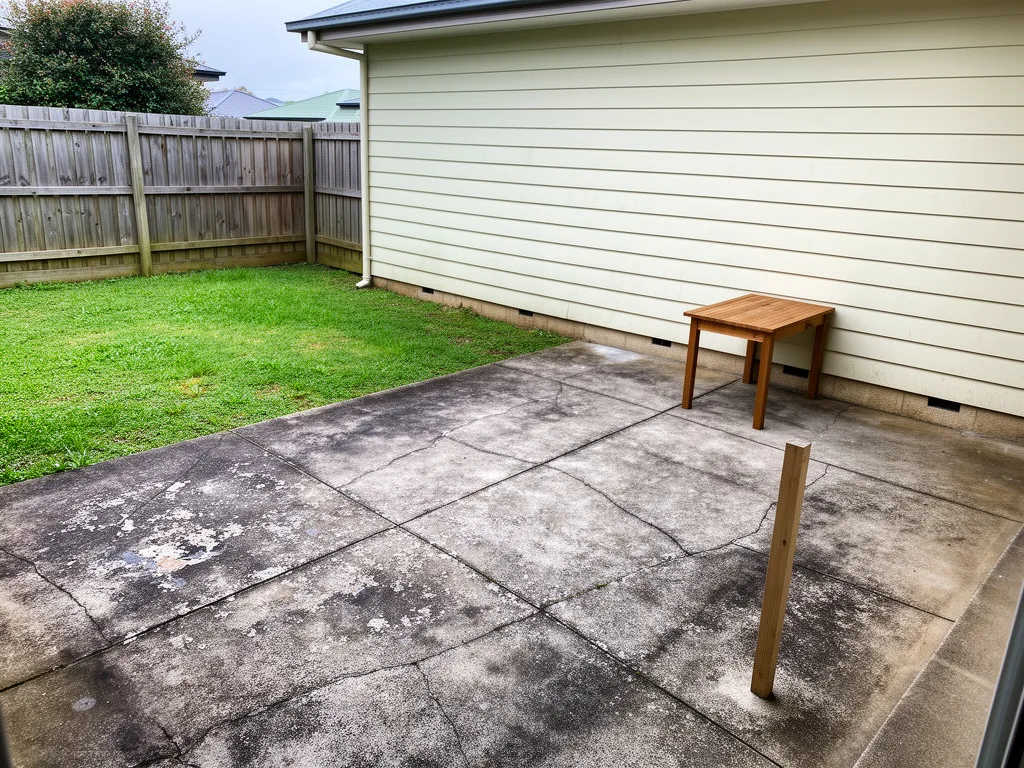
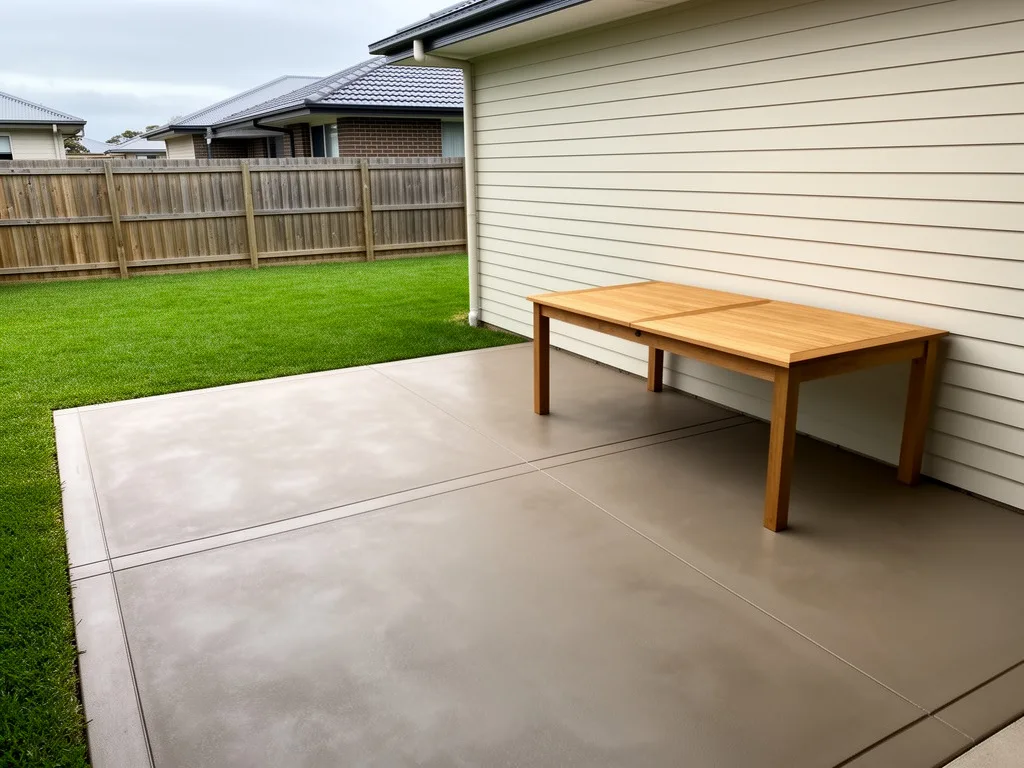
Before and after the resurfacing
Quick answers
Can concrete be resurfaced over cracks?
Hairline cracks that have stopped moving can be repaired and resurfaced. Wider cracks, or ones that open and close with the weather, will show through a new layer unless the cause is dealt with first. We check this at the assessment.
How thick is a resurfacing layer?
Overlay coats generally sit between 3-10mm thick, bonded to a sound existing slab. That is why the slab itself has to be solid. A thin layer cannot hold up a slab that is moving.
Does the concrete need preparing first?
Yes. Grinding or acid etching the surface is a required step ahead of any overlay, and oil, grease and old sealer have to come off. A layer put over a dirty or sealed surface will lift.
How do I check a tradesperson’s licence?
Service NSW runs a public check for builders and tradespeople. Look up the licence details of anyone you are thinking of hiring, including us, before you agree to a job.